(This is an older post. The information reflects conditions at the time it was originally published — stores, prices and promotions may have changed since then. Please check our official website or on-site signage for current details.)
Flowers
Guam
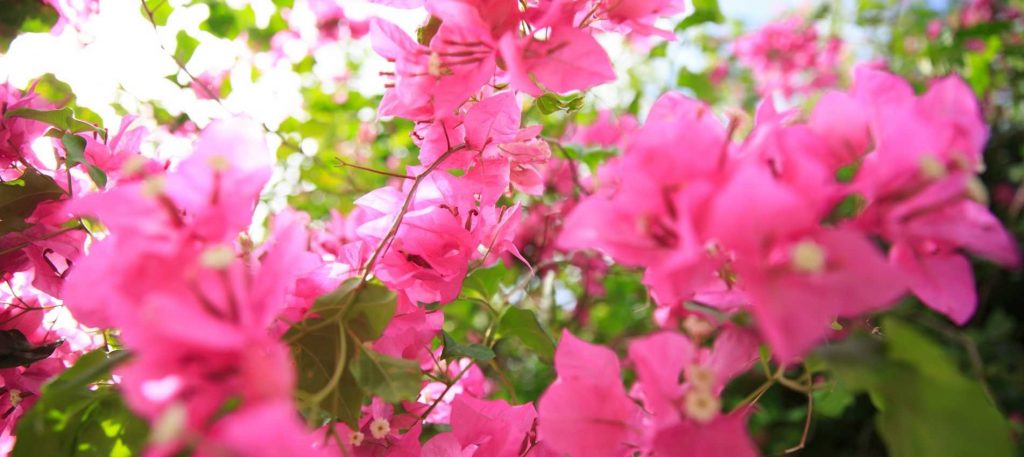
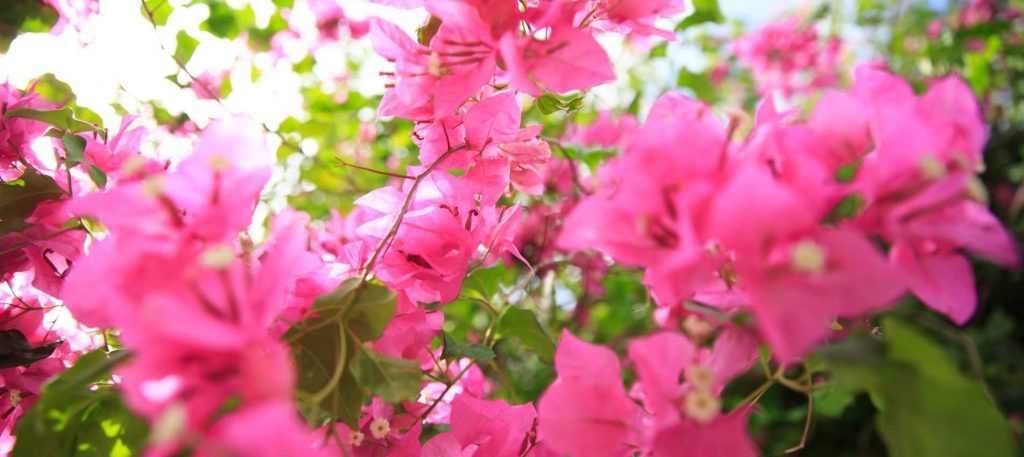
territorial flower is the Puti tai nobio, or Bougainvillea – also known as the
paper flower. It is a thorny, year-round plant that produces brilliant colors
of red, pink, purple, orange and white, and it is usually spread through vines and
propagated through cuttings.
Guam is home to
thousands of flower species typically found in the tropics, among the most
popular are the plumeria, hibiscus, cup-of-gold, and dozens of beautiful
orchids.
Other shrubs
include varieties of bromeliads, hedge flowers, gingers and birds of paradise.
Flowering trees
include the flame tree, allamanda, perfume tree and a wealth of others in every
color of the rainbow. Guam’s tropical
climate also makes it a perfect environment to grow ornamental house plants, cactuses
and water flowers.
Fruits
While Guam
imports many of the popular fruits that are standard in mainland groceries, air
shipments ensure an abundance of fruits such as strawberries, oranges, apples,
pears, nectarines, grapes and peaches. But
options abound for dozens of local fruits, many of which are available year
round. Guam’s rich soils are ripe for
all types of melons, from honeydews, cantaloupe, watermelon varieties and even
the mini melon known as the pipinu. Guam’s
people love their citrus fruits too, and have a variety to select from: green
lemon, local lime, lemonchina, clamansi, tangerines, green oranges and pumelos
to name a few. There are many fruit tree varieties as well, from bananas to
guavas, star apples, star fruits, santol, sineguelas, mountain apples,
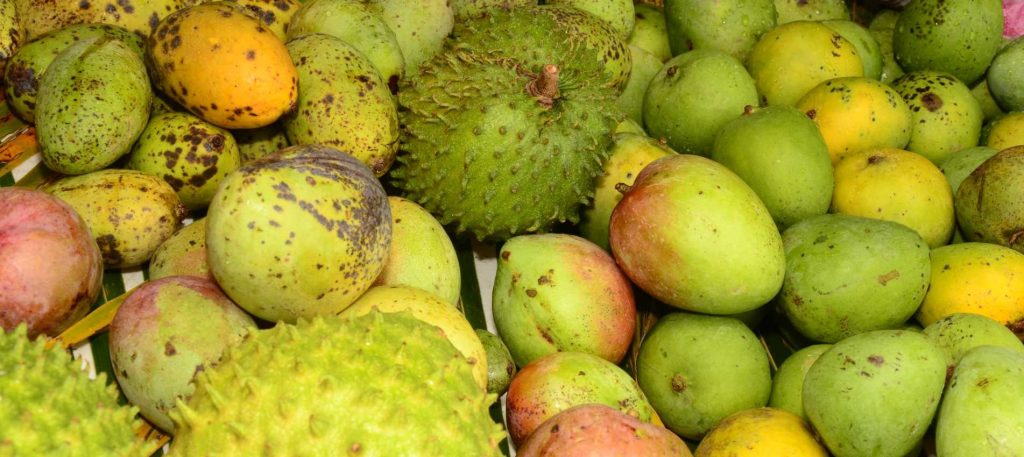
gooseberries, mulberries, mansanita, mango, avocado, atis, breadfruit, soursop,
jackfruit and dozens more.
There are
plants that produce sweet-smelling flowers and trees with succulent fruit. The
perfumed aroma of plumeria, ginger, and jasmine permeates the air, and Guam’s
territorial flower, the bougainvillea (puti tai nobio) blooms in many hues,
lending color and form to the island’s landscape. Papayas, bananas, coconuts,
breadfruit, mangoes, guavas, mountain apples, limes, and tangerilles flourish
in the island’s ideal tropical climate.
Trees
Guam
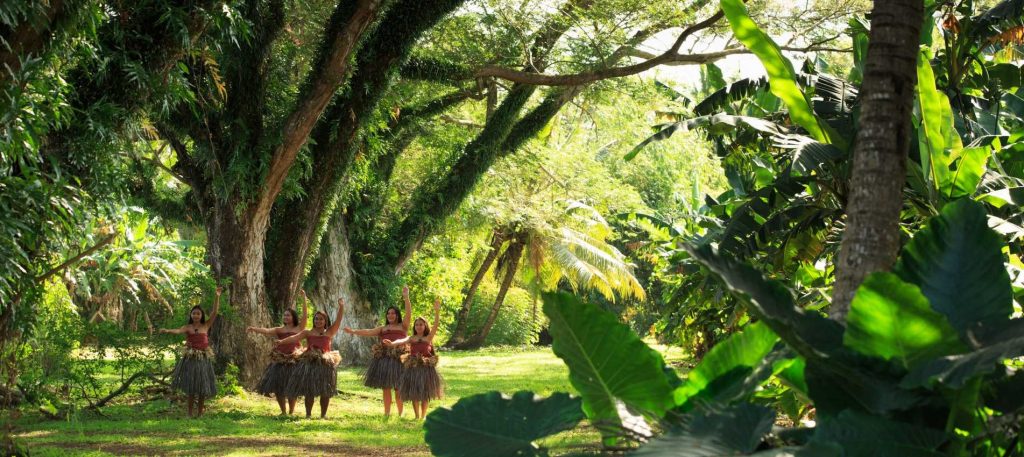
territorial tree: is the ifit, or ifil (Intsia Bijuga), and has a proliferation
of coconut and other palms, ornamental and betel nut trees and countless acres
of tangan tangan – a hardwood, easily grown tree useful for building and
firewood.
Among the
largest of Guam’s trees are the monkeypod, which would normally tower over all
and provide a wealth of shade, save for the destruction of typhoons over the
years.
Guam tropical
forests are also home to ironwood pines and other conifers, trees with
medicinal uses, ornamental trees, pandanus, hardwoods, softwoods and more, all
of which play an instrumental role in Guam’s ecology.
Wildlife
Despite its isolation from major land masses, Guam has a number
of interesting forms of animal life. Introduced deer and wild pigs inhabit
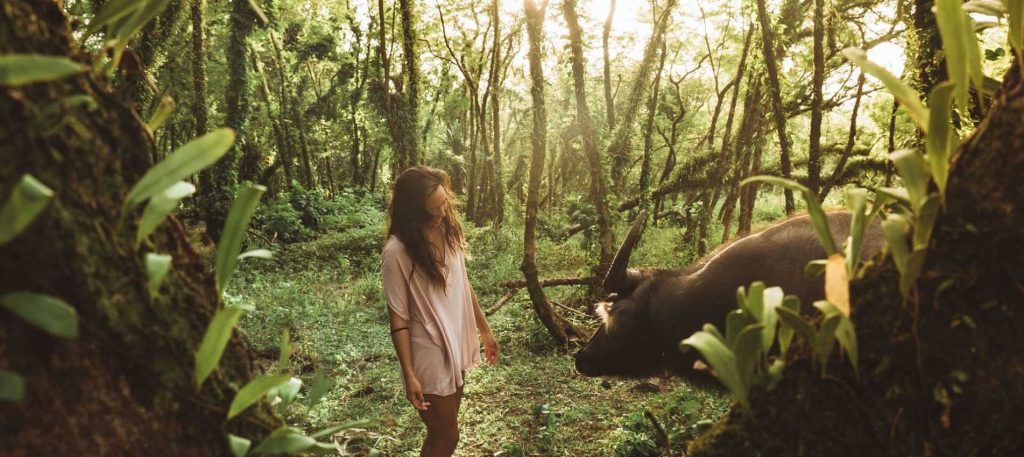
jungle areas, as well as domesticated Carabao, or water buffalo, that can be
seen lounging in cool streams on sultry days.
We
have shorebirds, such as the American Golden Plover, Gray-tailed Tattlers, and
the Mongolian Dotteral. Rare and beautiful birds, such as the rose-crowned
fruit dove, king fishers, and
the Guam Rail, are endangered species. Catch a glimpse of the Mariana Swiftlet or
the Mariana Mallard. Other native birds of
Guam include the Mariana Fruit Dove
and the Micronesian Megapode. Wild chickens make
every neighborhood their home, and their early morning cries serve as alarm
clock for many island residents. Enjoy more paintings by H. Douglas Pratt
of Guam’s seabirds, shorebirds
and waterbirds, as well as forest birds and
land birds.
Small, harmless lizards called geckos, blue-tailed skinks, and
chameleons patrol our homes and gardens, searching for insects. Occasionally,
monitor lizards known locally as hilitai, can be seen darting across roads,
especially in the northern part of the island. Despite their popularity on the
dinner table, the endangered fruit bats (fanihi) still dwell in caves in the
northern tip of the island, though in greatly reduced numbers. Coconut crabs
(ayuyu) prowl the grounds at night. Exotic African land snails leave silvery
trails on garden paths and multicolored butterflies flutter from one exotic
flower to another. Although Guam has a
tremendous amount of fauna diversity, the non-poisonous brown tree snake,
introduced to the island sometime after the Second World War by cargo ships has
become an unwelcomed predator and pest. According to biologists, these brown
tree snakes indigenous to Papua New Guinea and the Solomon Islands have
virtually eliminated many bird species. The government has spent millions of
dollars in attempts to eradicate the pest, and it looks as though it is
beginning to work.